
Diastasis Recti, Fascia, and Pilates: A Whole-Body Approach for Pregnancy and Postpartum
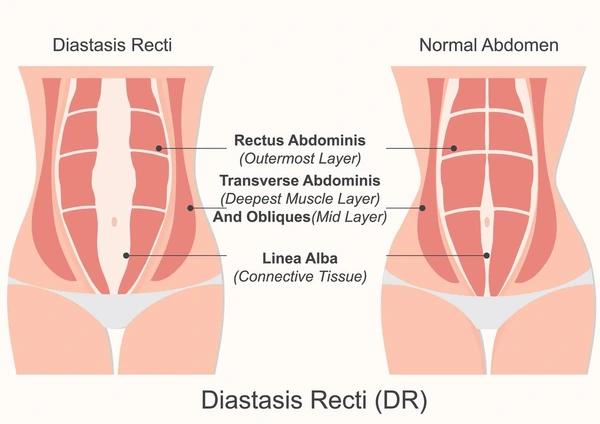
Pregnancy and postpartum recovery are often framed around one muscle: the abdominal wall.
More specifically, diastasis recti, the separation of the rectus abdominis, has become a major
focus in conversations about core strength, recovery, and exercise after baby.
But the body doesn’t work in isolated parts. When we look at diastasis recti through the lens of fascia, Anatomy Trains, and Pilates, we discover something far more empowering…healing and strength come from restoring whole-body connection, not “fixing” a gap.
What Is Diastasis Recti—Really?
Diastasis recti is a thinning and widening of the linea alba, the connective tissue that runs down
the center of the abdomen. During pregnancy, this tissue adapts to allow the growing baby
space. This is a normal and intelligent process. The issue postpartum isn’t simply separation, it’s how well the fascia can transmit load and tension afterward.
Many people are told to:
● Avoid certain exercises forever
● “Close the gap” at all costs
● Brace or grip their abs tightly
But none of these address what’s truly happening in the body.
Fascia: The Missing Piece in Core Recovery
Fascia is the body’s connective tissue network. It wraps muscles, organs, bones, and nerves,
forming a continuous web from head to toe. Fascial tissue is designed to:
● Distribute force
● Adapt to load
● Store and release elastic energy
During pregnancy, the fascia of the abdomen, pelvic floor, spine, and rib cage all adapt together.
After birth, problems arise when:
● Fascia loses elasticity
● Load is no longer distributed efficiently
● Movement becomes braced instead of responsive
This is why focusing on isolated abdominal strengthening often fails or even worsens
symptoms like doming, back pain, or pelvic floor dysfunction.
Anatomy Trains: Why Diastasis Recti Is a Whole-Body Issue.
Thomas Myers’ Anatomy Trains teaches us that muscles don’t work alone; they function as part
of myofascial lines that transmit force across the entire body.
In diastasis recti, the key lines involved include:
● The Deep Front Line (core support, breath, pelvic floor)
● The Superficial Front Line (abdominals, chest, hip flexors)
● The Lateral Lines (side-body support and load transfer
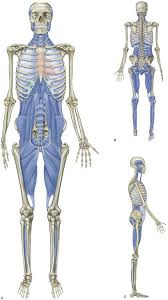
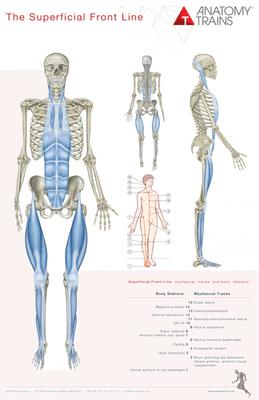
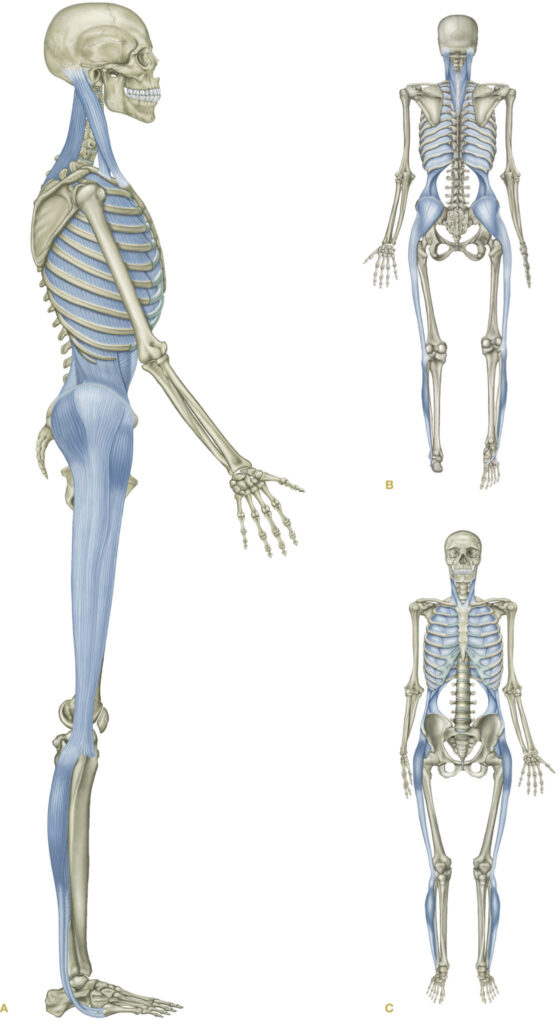
If any part of these lines isn’t doing its job, rib cage mobility, hip function, spinal
organization—the abdominal fascia takes on too much strain.
This is why someone can have:
● A small separation with lots of dysfunction
● Or a wider separation with excellent strength and support
It’s not the width that matters, it’s the quality of load transfer.
Pilates: Designed for Fascial Integrity, Not Bracing
Pilates is uniquely effective for pregnancy and postpartum because it:
● Trains movement through the whole body
● Emphasizes breath, alignment, and coordination
● Builds strength without gripping or bracing
Joseph Pilates didn’t teach isolated muscles. He taught integrated movement.
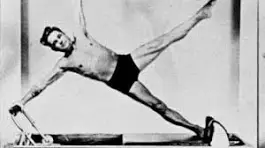
When applied correctly, Pilates helps:
● Reorganize the rib cage over the pelvis
● Restore breath mechanics and pressure management
● Rehydrate fascia through dynamic, three-dimensional movement
● Improve tension transmission across the linea alba
Rather than forcing the abdominals to “pull together,” Pilates teaches the body how to support
itself again.
What Safe & Effective Pilates Looks Like Postpartum
For pregnant and postpartum women, Pilates should:
● Avoid aggressive abdominal gripping
● Focus on breath that expands the ribs, back, and sides
● Include rotational and side-bending movements
● Progress gradually from supported to more dynamic work
Exercises are chosen not based on fear, but on how well the body can distribute load.
This approach respects the body’s design and allows women to return to strength, confidence,
and movement they love.
Reframing the Conversation Around Diastasis Recti
Diastasis recti is not a failure. It is not a flaw, and it does not mean you’re “broken.”
It’s a sign that your body adapted beautifully, and now needs intelligent movement to
reorganize.
When we work with:
● Fascia instead of against it
● Whole-body lines instead of isolated muscles
● Movement instead of rigidity
Healing becomes sustainable, functional, and empowering.
Final Thoughts
Pregnancy and postpartum recovery aren’t about getting your body “back.”
They’re about moving forward with more awareness, resilience, and support.
Pilates, when informed by fascia and Anatomy Trains, offers a pathway that honors the
complexity of the body and the strength of the woman who lives in it.
Ready for Safe, Supportive Core Training?
If you’re pregnant, postpartum, or simply want to feel stronger from the inside out, Pilates can help.