
Resilience & Healing: Your Body Is Designed to Heal
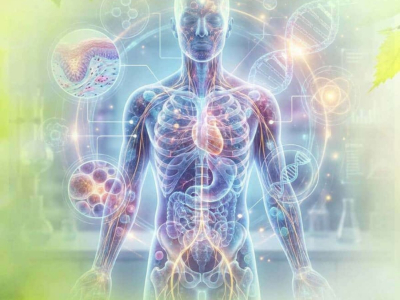
What if healing isn’t always about doing more, but about giving your body what it needs to do what it already knows how to do?
Our bodies have an extraordinary capacity to repair, recover, and adapt. Every day, without conscious effort, we’re rebuilding tissue, responding to stress, regulating inflammation, and maintaining balance.
But sometimes, the very system designed to protect us can interfere with our ability to recover.
Understanding the connection between the nervous system, our thoughts, and movement can help us create an environment where healing is better supported.
When the Body Gets Stuck in Fight-or-Flight
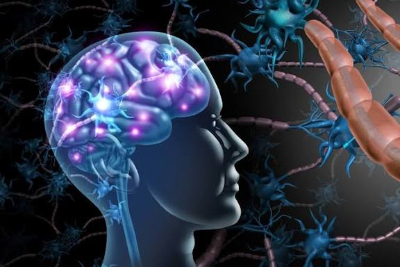
Our central nervous system, consisting of the brain and spinal cord, works closely with the autonomic nervous system to regulate many of the body’s automatic functions.
The autonomic nervous system has two important branches:
- The sympathetic nervous system prepares us for action. It’s our fight-or-flight response, increasing alertness, heart rate, and blood flow to muscles when we perceive a threat.
- The parasympathetic nervous system supports rest, digestion, recovery, and the processes that help restore balance.
Both are essential. The problem isn’t stress itself. It’s what happens when the body has difficulty shifting out of a heightened state of alert.
Chronic stress, pain, illness, or emotional strain can contribute to an overactive sympathetic response. Muscles remain guarded, breathing becomes shallow, sleep may suffer, and the body’s ability to recover can be affected.
Sympathetic activation can also cause vasoconstriction, the narrowing of certain blood vessels. While this is a normal protective response, prolonged stress-related changes in circulation may influence how well tissues receive oxygen and nutrients.
The body is working hard to protect us, even when the immediate threat has passed.
A Sense of Safety Changes Everything
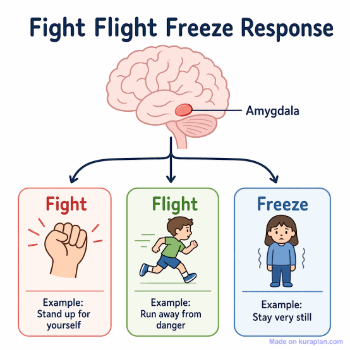
One interesting perspective comes from Polyvagal Theory, developed by neuroscientist Dr. Stephen Porges.
The theory explores how our nervous system responds to perceived safety and danger, and how those responses may influence our physical and emotional states.
Although some of its specific neurological explanations remain debated, the broader connection between perceived safety, stress regulation, and physical well-being is well established.
When we feel safe, supported, and connected, the nervous system can more readily shift away from a defensive state.
Our breathing can deepen. Muscular tension can decrease. Heart rate can settle. Circulation can adjust to the body’s changing needs.
Safety doesn’t mean the absence of every challenge. It means the nervous system has the flexibility to respond to a challenge and then recover.
And that flexibility is a foundation of resilience.
The Power of What We Tell Ourselves

Our thoughts and beliefs influence how we experience stress, pain, and physical challenges.
Consider the difference between:
“My body is falling apart. I’ll never feel better.”
And:
“My body is capable of adapting. I’m learning what it needs to become stronger and healthier.”
Neither statement magically changes the condition of our tissues. But the second creates a different relationship with the healing process.
Research into pain neuroscience, stress, and expectations shows that our beliefs can influence how the brain interprets physical sensations and how we respond to them.
Fear can increase vigilance and muscular guarding. Confidence, reassurance, and a sense of control can help reduce that protective response.
This doesn’t mean we can simply think ourselves out of every injury or illness. Some conditions require medical treatment, and complete healing isn’t always possible.
But believing in our capacity to improve can be a powerful part of recovery.
Instead of constantly asking, “What’s wrong with my body?” perhaps we can begin asking, “What can I do to help my body feel safe, strong, and capable again?”
Movement Is One of Our Most Powerful Tools
Here’s where things get especially interesting.
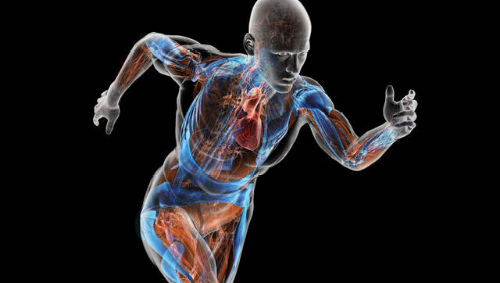
Movement doesn’t just strengthen muscles. It provides information to the nervous system.
Every time we move, sensory receptors throughout our muscles, joints, and connective tissues communicate with the brain. This ongoing conversation helps us develop coordination, body awareness, balance, and confidence.
Movement can also help regulate stress, improve circulation, support healthy tissue function, and reduce the tension that often accompanies pain or anxiety.
And it doesn’t have to be intense.
Walking, stretching, dancing, gardening, swimming, or simply moving gently through a comfortable range of motion can all be beneficial.
The goal isn’t always to push harder. Sometimes it’s to move in a way that reminds your body that movement can feel good.
Over time, positive movement experiences can help rebuild trust in our physical abilities.
Why Pilates Is Especially Powerful
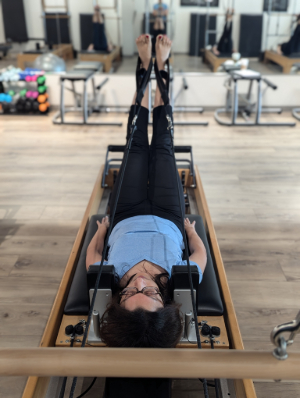
At Performance Pilates in Sugar Land, Texas, we believe movement should do more than make you stronger and more flexible. It should help you feel more connected to your body and confident in what it can do.
Pilates offers a unique combination of strength, mobility, breath, coordination, and mindful movement.
Through controlled, purposeful exercises, we can:
- Encourage deeper, more coordinated breathing, helping regulate tension and support nervous system balance.
- Release unnecessary muscular guarding, allowing movement to become more comfortable and efficient.
- Improve circulation and mobility, supporting healthy tissue function.
- Build strength and stability, creating confidence in the body’s ability to move.
- Develop body awareness, helping us recognize when we’re holding tension or working harder than necessary.
- Restore a sense of control, replacing fear of movement with greater trust in our abilities.
Our approach also incorporates fascial movement principles, recognizing that the body functions as an interconnected system rather than a collection of isolated muscles.
By exploring how tension and movement are distributed throughout the body, we help clients discover ways to move with greater ease, efficiency, and freedom.
And perhaps most importantly, Pilates gives us opportunities to experience success.
A movement that once felt difficult becomes easier. Balance improves. Strength returns. We begin to notice what our bodies can do rather than focusing exclusively on what they can’t.
That sense of accomplishment can be incredibly empowering.
Resilience Isn’t About Never Experiencing Stress
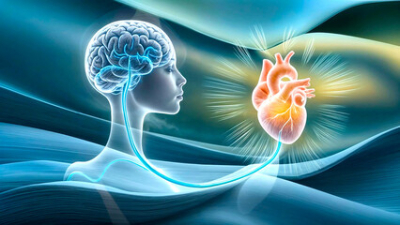
Resilience is our ability to respond, adapt, and recover. The body doesn’t necessarily need to be completely free of stress to heal. It needs opportunities to recover from stress.
A resilient nervous system isn’t permanently relaxed. It can become alert when necessary, then return toward a state of balance.
Likewise, a resilient body isn’t one that never experiences pain, injury, or limitation. It’s one that has the resources and adaptability to meet life’s challenges.
Healing isn’t always a straight line, and it doesn’t look the same for everyone.
But we can support the process through movement, restorative sleep, appropriate medical care, meaningful connections, and a healthier relationship with our bodies.
Your body isn’t simply something that needs to be fixed. It’s an intelligent, adaptable system that deserves to be supported.
And sometimes, one of the best ways to begin is simply to move.
Move Smarter. Feel Better. Build Resilience.
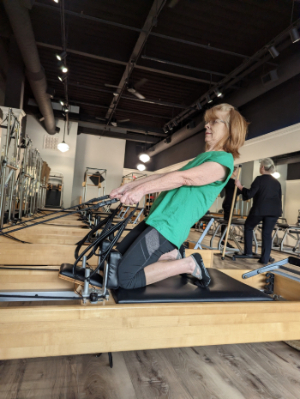
At Performance Pilates in Sugar Land, Texas, we combine Classical Pilates with a fascial movement approach to help you build strength, improve flexibility, reduce unnecessary tension, and move with greater confidence.
Whether you’re returning to movement, managing physical limitations, or simply looking to stay active and healthy for years to come, we’re here to help you discover what your body is capable of.