
When Everything Is Called Pilates, What Is Pilates?
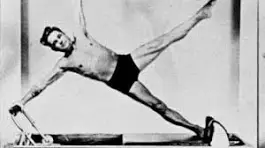
Pilates is having a moment.
It’s everywhere…boutique fitness studios, gyms, social media, pop-up events and increasingly, franchises dedicated to something called “Pilates.”
As Pilates teachers who have devoted more than 20 years to studying and teaching this method, we’re happy to see people interested in movement. Truly.
But there’s also a difficult conversation happening within the Pilates profession:
When everything is called Pilates, what does the word Pilates actually mean?
Pilates Is More Than a Reformer
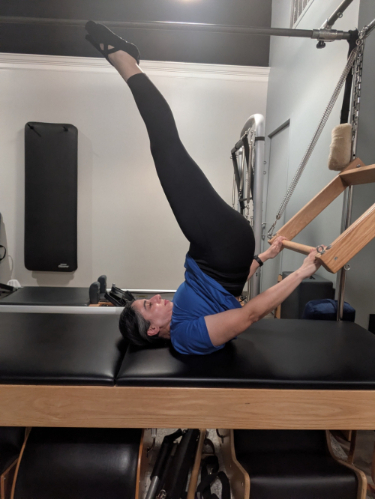
Putting a group of people on Reformers doesn’t automatically make a workout Pilates.
Neither does adding abdominal exercises, small pulses, a resistance band or a pair of grip socks.
Those things aren’t inherently bad. They can be fun. They can be challenging. They can make you sweat and make your muscles sore.
But that doesn’t necessarily make them Pilates.
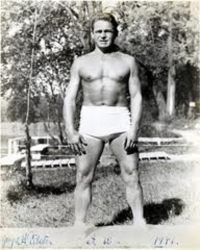
Joseph Pilates developed an entire method of movement — originally called Contrology, with exercises that relate to and build upon one another. The Mat and apparatus were not created as separate workout trends. They were designed as parts of a larger system.
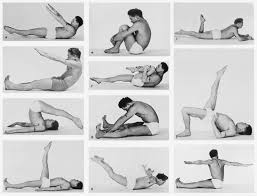
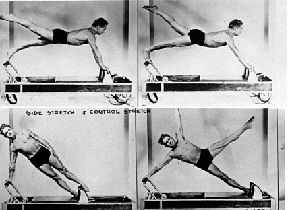
The Reformer, Cadillac, Chairs, Barrels and other apparatus have purposes within that system. They provide support, resistance and feedback that help the body develop the strength, mobility, coordination and control necessary to progress.
There is intelligence behind the exercises.
There is an order.
There is progression.
And there is a reason for what comes next.
Why the Distinction Matters
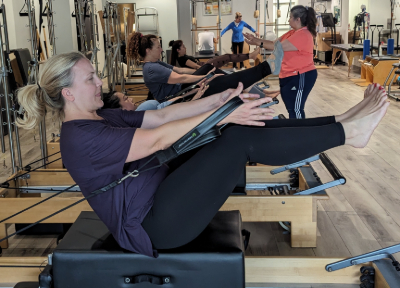
This isn’t about saying that one form of exercise is “good” and another is “bad.”
There is room in the fitness world for all kinds of movement.
The problem occurs when very different types of exercise are marketed under the same name.
A Pilates-inspired fitness class may be exactly what someone wants. But it isn’t necessarily equivalent to working with a comprehensively trained Pilates teacher who has spent years studying the method, the apparatus, movement and the individual body standing in front of them.
Those distinctions matter.
And unfortunately, they’re becoming increasingly difficult for consumers to see.
Why Does Pilates Cost What It Costs?
This is where the conversation gets uncomfortable.
Independent Pilates studios are increasingly competing against large group fitness models, franchises, inexpensive memberships and even free community events.
From the outside, they can appear to be selling the same thing.
They’re not.
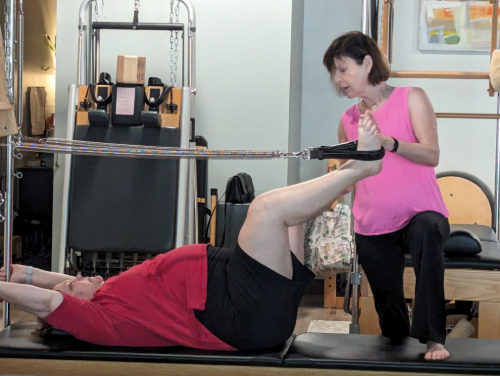
When you pay for an hour with an experienced Pilates professional, you aren’t simply renting a Reformer for 60 minutes.
You’re paying for the teacher’s education, experience and ability to observe movement.
You’re paying for someone who knows when to progress an exercise, and when not to.
Someone who can recognize when you’re compensating instead of actually accomplishing the movement.
Someone who can change the apparatus, spring tension, exercise or cue because your body needs something different that day.
And you’re paying for years… sometimes decades…of continuing education and hands-on experience that allow a teacher to make those decisions in real time.
You’re not just paying for the hour. You’re paying for what your teacher knows how to do with that hour.
Why Independent Pilates Studios Matter
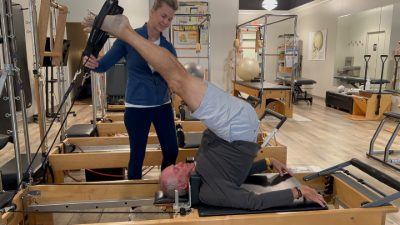
There is another piece of this conversation that doesn’t get talked about enough.
Many Pilates studios are small businesses built by teachers.
The person teaching your session may also be the person who bought the equipment, pays the rent, trains the staff, takes continuing education, answers the phone and worries about whether there will be enough clients next month to keep everyone employed.
Independent Pilates teachers can’t compete with free.
Nor should they try.
And they can’t always compete with a franchise business model built around larger groups, standardized programming and volume.
What they can provide is something different:
Expertise. Attention. Individualization. Progression. Relationship.
Those things are difficult to mass-produce.
At Performance Pilates in Sugar Land, We Still Believe in the Method
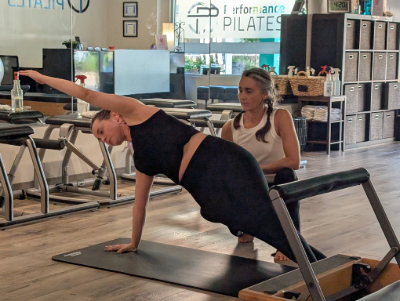
We teach Classical Pilates with a fascial movement approach.
That means we honor the Pilates system while continuing to study how the body moves, how forces are distributed through the fascial system, and how we can help each client move with greater ease rather than simply work harder.
Our goal isn’t to exhaust you.
It isn’t to create the most impressive exercise for a video.
And it isn’t to make you look like everyone else in the room.
Our goal is to teach you something about your own body.
We want you to become stronger, more mobile and more capable. We want you to understand how to distribute effort rather than constantly creating more tension. And we want the work you do in the studio to improve the things you want to keep doing outside of it.
That kind of teaching requires attention.
It requires education.
It requires experience.
And yes, it has value.
There’s Room for Everyone, But Words Should Mean Something
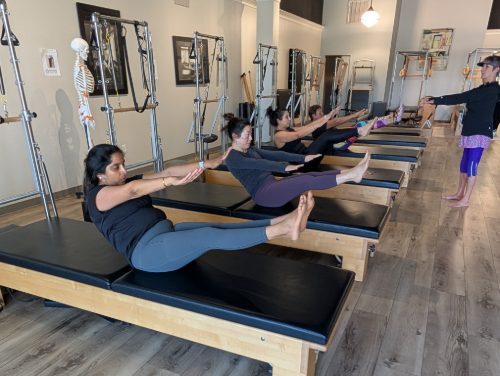
If someone loves a large fitness class with upbeat music and a Pilates influence, wonderful.
Movement is good.
Community is good.
Finding an activity you enjoy enough to keep doing is good.
But we also believe consumers deserve to understand what they’re purchasing.
A Pilates-inspired workout and the Pilates method don’t have to compete with each other.
They just shouldn’t be mistaken for the same thing.
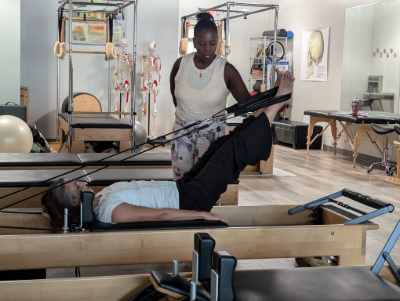
So as Pilates continues to grow…and pink socks, social media trends and packed Reformer classes continue to introduce new people to the word, we hope something else grows along with it:
Curiosity.
Ask about your teacher’s training.
Ask what you’re learning.
Ask why you’re doing an exercise.
Ask how today’s work connects to what you did last week and where you’re going next.
Because good Pilates isn’t defined by how trendy the studio looks, how much you sweat or whether you can perform the most impressive exercise in the room.
It’s a method.
And when it’s taught well, you can feel the difference.
Experience the Difference at Performance Pilates
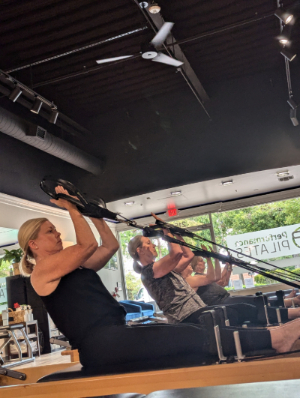
Curious about what Pilates can feel like when it’s taught as a complete movement system?
At Performance Pilates in Sugar Land, we teach Classical Pilates with a fascial movement approach, helping you develop strength, mobility and a better understanding of how your body moves.
Start with our Move Smarter Intro: three private sessions designed to introduce you to our approach, our equipment and what Pilates can do for your body.
Ready to Move Smarter? Schedule your Intro today.